
What's in your water?
Mineral hydration or chemical concoction?
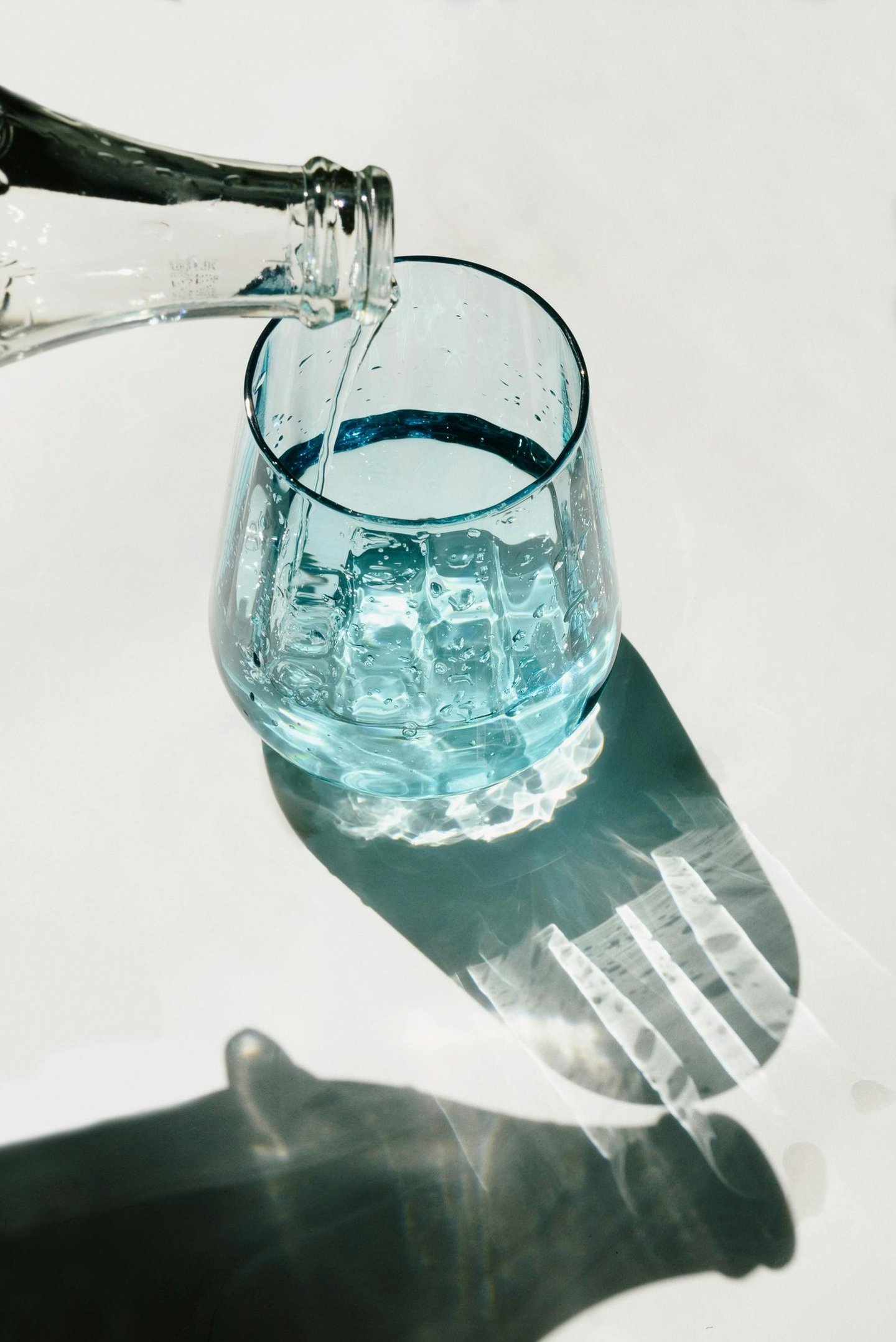
Water, The Most Overlooked Essential
Water is the one substance we interact with more than any other. We drink it, cook with it, bathe in it, breathe it, and our bodies are built from it. It moves through every system within us, carrying nutrients, regulating temperature, and supporting cellular function. Roughly 50 to 60 percent of the human body is water, but water does not function alone. The minerals dissolved within it help regulate nerve impulses, muscle contractions, circulation, and the chemical reactions that sustain life. Even our thoughts depend on this electrical mineral balance. When we change the quality of our water, we influence more than taste, we influence the medium that carries these essential elements, and on a molecular level, everything we are is structured around it. Yet for something so essential, we rarely question it.
For most of my life, I believed clear meant clean. If it looked transparent in a glass, I assumed it was pure. I did not think about where it came from, how it was treated, or what might still be present. Water felt automatic. Safe. Unquestioned.
That changed my senior year of high school during a visit to the water treatment plant next to my neighborhood. What I smelled in the air and witnessed in the processing facility disrupted the simplicity I had attached to tap water. It was no longer just H2O flowing effortlessly into my home. It was a system. A process. A series of chemical and mechanical interventions designed to make water distributable at scale.
That experience did not make me fearful. It made me curious.
Over time, that curiosity led me to study water more deeply, to compare sources, to pay attention to taste, texture, and how I felt after drinking it. Now, when I am handed a glass of water, I pause. I ask myself a quiet question:
Is it really just water?
What’s Really Coming Out of Your Tap
For most of us, water feels simple. We turn on the tap trusting that what flows out has gone through a regulated treatment process, rarely pausing to consider what that process includes. Municipal facilities were developed to disinfect and filter large volumes of recycled water before distributing it to entire communities. During that field trip, I saw how water is sourced and treated before it reaches our homes.
What many people do not realize is that the chemical disinfectants used in treatment, along with their byproducts, are measurable and listed in publicly available water quality reports. If you have never looked at your local report, it can be surprisingly eye-opening to see exactly what is tested for and what levels are considered acceptable in your area. One accessible tool I found helpful is the Environmental Working Group Tap Water Database, where you can enter your zip code and view detailed results for your local water system.
In some regions, trace levels of pharmaceuticals and other environmental residues have also been detected, and not all household filtration systems are designed to remove every compound. Learning this deepened my curiosity. If water makes up so much of who we are, I began wondering what kind of water would most thoughtfully support my body.
Tap Water Up Close: Treatment, Chemicals, and What Remains
Tap water is sourced from rivers, reservoirs, groundwater, or recycled (reclaim) water, then filtered and chemically disinfected before distribution. Disinfectants such as chlorine or chloramine are commonly used to reduce microbial contamination. While these treatments are intended to control pathogens, they can also alter the natural structure and mineral composition of the water. Over time, additional factors such as aging infrastructure and environmental runoff can influence what ultimately travels through household pipes.
In some cases, additional processing methods, such as reverse osmosis, can strip water of much of its natural mineral content. While this may reduce contaminants, it can also leave the water lacking the electrolytes that support the body’s electrical and muscular functions.
For many people, this may not feel concerning. For me, it raised a simple question. If water is something I consume daily, absorb through my skin, and use in cooking, I wanted to understand not only what was removed from it, but also what remained.
Showering Matters: Your Skin and Lungs Absorb More Than You Think
Water exposure does not stop at what we drink. Our skin, the body’s largest organ, comes into contact with tap water daily through showering and bathing. While the skin serves as a protective barrier, warm water slightly increases its permeability.
Municipal tap water contains disinfectants such as chlorine or chloramine to control microbial contamination. When this treated water is heated for showering, some of these compounds can transition from dissolved form into vapor. In a steamy shower environment, that means they are not only on the skin, but also in the air we breathe.
Chlorine reacts with naturally occurring organic matter in water which forms disinfection byproducts known as trihalomethanes (THMs), including chloroform. Water can also contain other byproducts from disinfectant reactions, such as haloacetic acids (HAA5), bromate, and chlorite, along with heavy metals like lead and arsenic, some of which have been linked to cancer and reproductive harm. Additional contaminants may include PFAS (“forever chemicals”), nitrates, and volatile organic compounds (VOCs). These substances can enter the body through drinking tap, skin contact, and inhalation, and in a steamy, enclosed shower environment, their concentration in the air becomes more significant.
The lungs contain millions of tiny air sacs that efficiently transfer inhaled substances into the bloodstream. Because of this, inhalation becomes another pathway of exposure alongside skin contact and ingestion.
For a long time, I noticed I would feel a little lightheaded after long hot showers. I used to keep the bathroom closed because I loved the steam that kept the space warm and comforting. I assumed the dizzy feeling came from the water making my skin and body too hot.
Later, I learned more about how disinfectants and their byproducts behave when water is heated. That’s when something clicked for me. The steam I enjoyed so much might also have been concentrating what I was breathing in. It shifted my perspective, and made me more aware of the importance of proper ventilation. Now with the proper air flow, ventilation, and shower filter, I never get lightheaded from a hot shower.
Water treatment standards are set within established safety limits. At the same time, repeated daily exposure, especially in enclosed and unventilated spaces, affects people differently. For me, it became less about avoiding water, and more about being mindful of how I interact with it.
I personally use a shower filter from Miniwell. After installing it, I noticed my hair felt softer, my skin felt less tight after showering, and the chlorine scent was significantly reduced. One feature I appreciate is that the filter cartridge visibly changes as it collects sediment and impurities. Seeing that buildup makes the filtration process tangible. Clear water does not always mean untouched water.
Fluoride in Tap Water: Benefits, Risks, and What You Should Know
Fluoride is added to many municipal water systems with the intention of reducing tooth decay. This practice, known as water fluoridation, has been implemented in parts of the United States for decades.
Fluoride is an active mineral in the body, and exposure levels matter. At higher concentrations, it can cause dental fluorosis, which weakens tooth enamel and can make teeth more brittle. In extreme or long-term cases of high exposure, skeletal fluorosis can occur, affecting bones and joints and making them more fragile.
There is evidence that prolonged exposure to elevated fluoride levels may influence neurological development. While municipal systems in the U.S. maintain levels within safety guidelines, it’s worth being aware and making informed decisions for your family.
If you’re curious about ways to support your teeth beyond fluoride, I share my approach to remineralization and holistic dental hygiene in another blog post. Adequate minerals, nutrition, and mindful oral care can help maintain strong, healthy teeth without relying solely on systemic fluoride.
Being aware of the benefits and potential risks allows each person to make choices that align with their values and comfort level.
Fresh Spring Water: Hydration as Nature Intended
Fresh spring water begins when rain and snow accumulate and slowly filter down into underground aquifers. These aquifers are natural reservoirs beneath the earth’s surface where groundwater collects and moves gradually through layers of rock and soil. During this slow journey, the water absorbs naturally occurring minerals such as calcium and magnesium and flows in a way that encourages a more organized molecular structure.
This natural organization is often described as structured water. Researchers such as Gerald Pollack have explored how water can form more ordered phases under certain conditions, sometimes referred to as exclusion zone water. In nature, this structuring occurs through movement, mineral contact, pressure, and light exposure. It is shaped by the earth itself rather than industrial processing.
When I speak about spring water, I mean fresh, responsibly sourced water collected from a clean spring source that is regularly tested for safety. I do not encourage relying on plastic bottled spring water that may sit for months in warehouses or on shelves. If the goal is to experience water in its most natural state, I prefer collecting from a verified, regularly tested spring and storing it in glass. If glass is not available, using food grade plastic for short-term storage can be reasonable when kept out of direct sunlight and used within weeks rather than months.
Tasting the Difference: Mineral Beverage vs Treated Tap Water
For me, the difference between fresh spring water and treated tap water is dramatic. Fresh spring water tastes pure, smooth, deeply hydrating, and energizing. Treated tap water often tastes hard, flat, or chemically altered. Even tap water filtered through reverse osmosis, while removing many contaminants, can feel empty and less satisfying because the natural mineral content is stripped. When water lacks minerals, hydration can feel incomplete. The body does not just need fluid, it needs the electrolyte support that helps that fluid move effectively through cells and tissues.
I like to call fresh spring water a mineral beverage and treated tap water a chemically treated utility water. Experiencing them side by side makes the contrast clear. When something makes up the majority of who we are, the quality of it matters.
How to Find Safe Spring Water Near You
If you are curious about experiencing fresh spring water for yourself, one helpful resource is Find a Spring.
Here’s a simple way to start:
Go to Findaspring.org
Select “View Map of Springs.”
Enter your zip code in the search bar to locate nearby springs.
Before visiting, research the source carefully.
Always confirm that the spring is publicly accessible and regularly tested for safety. Water quality can vary depending on surrounding environmental conditions. Not all natural sources are equal. Spring sourcing requires discernment and personal responsibility. Clean, mineral-rich water is a gift, but only when it is truly clean.
For anyone local to Massachusetts, the spring I personally visit is Boston Clear Mineral Spring located at
165 Lowell Street, Lynnfield, MA 01940.
It is a regularly tested source, which gives me peace of mind when collecting water for my home.
As always, listen to your intuition, do your research, and choose what feels aligned and responsible for you.
Storing and Enhancing Your Spring Water
When I refill my water, I use a 3-gallon glass carboy and 1 gallon glass jugs. You can choose a size that works for your lifestyle and lifting comfort. Glass is my personal preference because it keeps the water pure and does not interfere with the mineral content. Copper pitchers are also a traditional and beautiful option for serving mineral-rich water at home.
Conscious Choices: Reclaiming Your Relationship with Water
Water is not just a utility. It is not simply what flows through pipes and fills a glass. It becomes part of us. Every sip, every shower, every meal prepared with it nourishes our body at the cellular level
This is not about fear. It is about consciousness. It is about asking better questions and choosing with intention. Whether that means reviewing your local water report, installing a shower filter, seeking out a regularly tested spring, or reconsidering systemic fluoride exposure, the goal is not perfection. It is awareness.
When we bring consciousness to something as foundational as water, we begin reclaiming care for our health. And often, the most meaningful transformations begin with the simplest shifts.